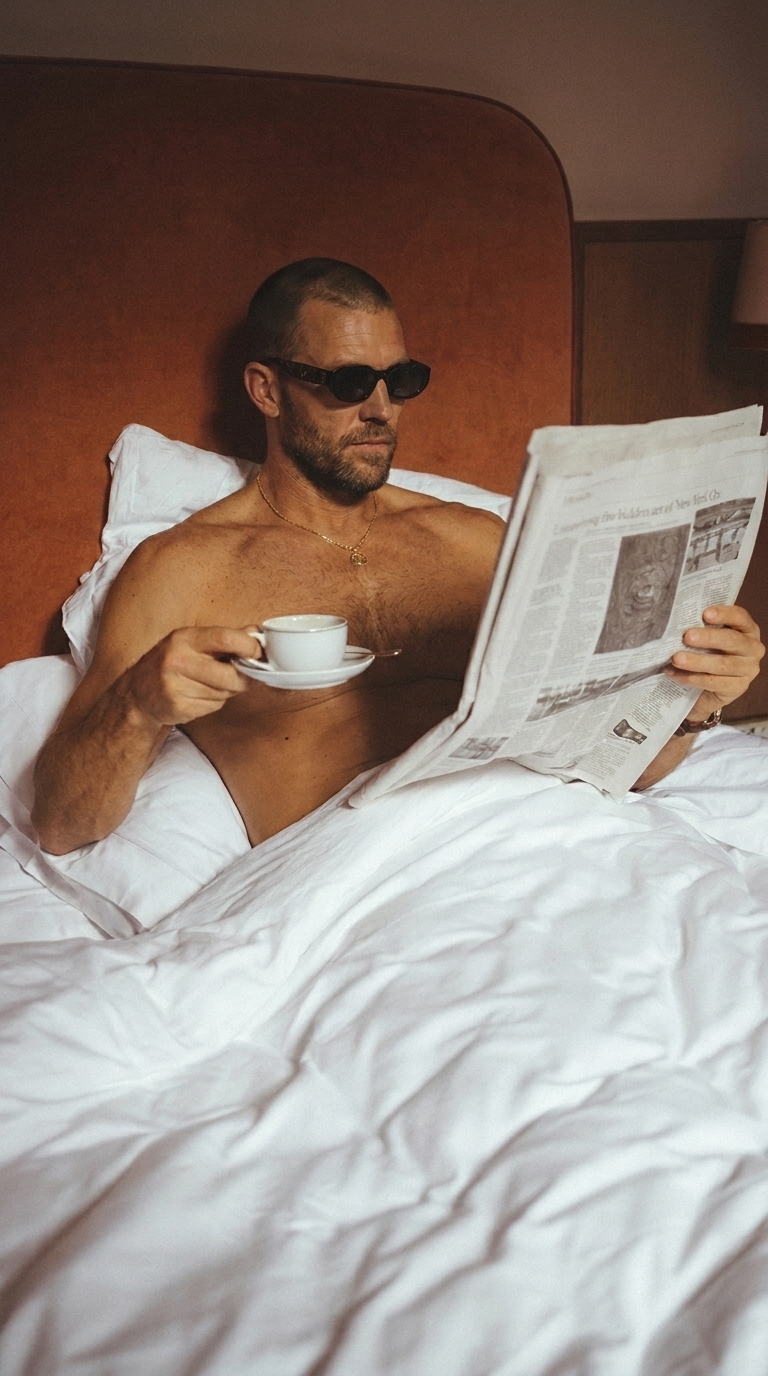
My mother thinks I've got a new boyfriend. My friends are convinced too.
There's just one problem. He doesn't exist. 😂
Meet Sam Hale https://www.instagram.com/samhale.cph.ai/
A fictional character I've been developing using Midjourney, Claibe and Kling AI.
Same face. Same identity. Same Sam Hale. Different outfits, environments, expressions and movements. An increasingly convincing digital personality who, apparently, has managed to fool people who know me. But I understand why my friends think so. I even uploaded a video of us looking at an apartment together in Copenhagen. Busted!
What started as a personal creative experiment became something much more interesting. Not because I managed to generate a realistic-looking man. I've been able to do that for a while. The real challenge was maintaining his identity across different images and video sequences. Making him recognisable when the lighting changes, when he turns his head, smiles, walks or changes clothes.
And that made me think about something bigger. We're moving from generating images to generating synthetic identities. And that changes the conversation.
From beautiful images to consistent synthetic identities
A few years ago, generative AI was largely about producing impressive individual images. The results were fascinating, but consistency was a challenge. You could generate a beautiful portrait, but ask for the same person in another environment and suddenly you had a different face. Today, the possibilities are considerably more sophisticated. Character references, image-to-video generation and increasingly advanced creative workflows make it possible to develop fictional identities that remain recognisable across different formats.
That distinction matters.
An image is a piece of content. An identity can become an ongoing creative asset. It can appear in campaigns, social media, product launches and branded storytelling. It can develop a recognisable visual language and potentially become something audiences form a relationship with. But maintaining consistency is still not effortless.
In my own experiment, I've been working across three platforms:
Midjourney for character development, visual direction and image generation.
Claibe for further visual experimentation and creative production.
Kling AI for transforming still images into moving characters.
The interesting part isn't simply what each tool can produce individually. It's how they work together, where consistency breaks down and how much creative direction is still required to achieve a convincing result.
The economics of creativity are changing
Fashion and advertising are already working with synthetic models, digital twins and AI-generated campaign imagery. H&M has explored digital twins of real models. Mango has used AI-generated fashion imagery, while Zalando has integrated generative AI into its content production processes. Not even talking about brands as Gucci, Coca Cola, Motorola…But I think we're asking the wrong question when we focus exclusively on whether AI will replace photographers, models or designers. The more interesting question is: Where does creative value move when production becomes dramatically faster and more accessible? Traditional campaigns involve casting, locations, styling, photography, post-production, logistics and coordination between multiple specialists.
For brands producing large volumes of content across markets, languages and digital channels, the economic implications are significant. But cheaper production doesn't automatically mean better creative work. If everyone has access to similar tools, the ability to generate beautiful imagery becomes less of a competitive advantage. Creative direction, storytelling, brand understanding and the ability to make meaningful choices become even more important.
I believe the value of designers will increasingly shift from producing individual assets towards designing and managing creative systems. Systems that maintain consistency, support scalability and connect creative output with business objectives.
And yes, that requires us to develop new skills.
We can spend our energy hoping AI won't change our jobs too quickly. Or we can start experimenting, understanding its limitations and deciding how we want to use it.
I know which option I prefer.
Who owns a person who doesn't exist?
This is where things become particularly interesting. There are two fundamentally different approaches to synthetic identity.One involves creating a digital twin of a real person.
The other involves developing an entirely fictional character, like Sam Hale.
The distinction is important.
When a real model is digitally replicated, questions immediately arise around consent, licensing, compensation and control. Can the digital twin appear in campaigns the original model wouldn't personally endorse? Who approves future use? What happens when a licensing agreement ends?
With fictional characters, the questions are different but equally complicated. Who owns the identity? The creator? The brand? What rights exist in the character's name, appearance and personality? And what happens if another creator generates an almost identical person?
Copyright and trademark law don't provide one simple answer. Protection depends on the jurisdiction, the degree of human authorship, the specific creative elements and how an identity is used commercially.
A character's name might qualify for trademark protection in certain circumstances, while individual AI-generated images may face different copyright considerations. For businesses, this means synthetic identity is not just a creative production question. It's also an intellectual property, governance and long term brand management question.
If a fictional person becomes a valuable commercial asset, protecting and managing that identity becomes part of the business strategy.
The psychology of trust: seeing is no longer believing
This is perhaps the part of my experiment that surprised me most. My family and friends didn't question whether Sam was real. They simply assumed he was real. Of course, this is a personal anecdote, not scientific evidence. But it illustrates something worth considering. We are accustomed to treating photography and video as representations of reality. When we see a person in an ordinary environment, wearing ordinary clothes, behaving naturally, we instinctively interpret those visual cues as evidence that the person exists.
Generative AI challenges that assumption.
And the more ordinary and imperfect synthetic imagery becomes, the harder it may be to recognise. A highly polished AI image can sometimes look suspicious precisely because it's too perfect. But a casual selfie? An awkward smile? A slightly imperfect movement? Those details can make synthetic content feel surprisingly human.
This raises interesting questions for marketing.
Will consumers develop emotional connections with fictional digital personalities? Will they trust them? Does knowing a character is artificial change how audiences respond to the brand behind it? And could authenticity become a more valuable brand differentiator precisely because convincing synthetic content is becoming so accessible?
I don't think there's one universal answer.
A virtual character might work brilliantly for a fashion campaign, gaming brand or experimental digital experience. But the same approach might feel inappropriate in communication built around personal experience, vulnerability or professional expertise.
The uncomfortable side: deepfakes and digital deception
My Sam Hale experiment is a creative project involving a fictional person. It's not an attempt to impersonate anyone. But the technological capabilities that make synthetic characters possible also make convincing impersonation increasingly accessible. That's where the conversation becomes more serious.The same tools that allow brands to develop virtual brand ambassadors can also be misused to fabricate identities, manipulate images and videos or mislead audiences. And as AI realism improves, the responsibility cannot rest entirely with viewers to recognise what's artificial. Creators, platforms, technology providers and brands all have a role to play.
For me, responsible AI doesn't mean avoiding the technology.
It means understanding what we're creating, being transparent about synthetic content, respecting real people's identities and considering how our work might be interpreted or misused.
So, what’s next?
I don't believe AI will eliminate the need for creative professionals. But I do believe it will change what we are paid to do. Generating content is becoming increasingly accessible. Knowing what to create, why it matters, how to maintain quality and how to build trust around it is a different skill set.As a Design Leader, I find that shift fascinating.
The future of creative production isn't simply about replacing traditional workflows with faster technology. It's about understanding where human judgement creates the greatest value.
And perhaps the most interesting challenge for brands won't be making synthetic people look real. It will be making their communication feel genuine in a world where almost anything can be manufactured.
That's a much bigger design challenge than generating a perfect face.
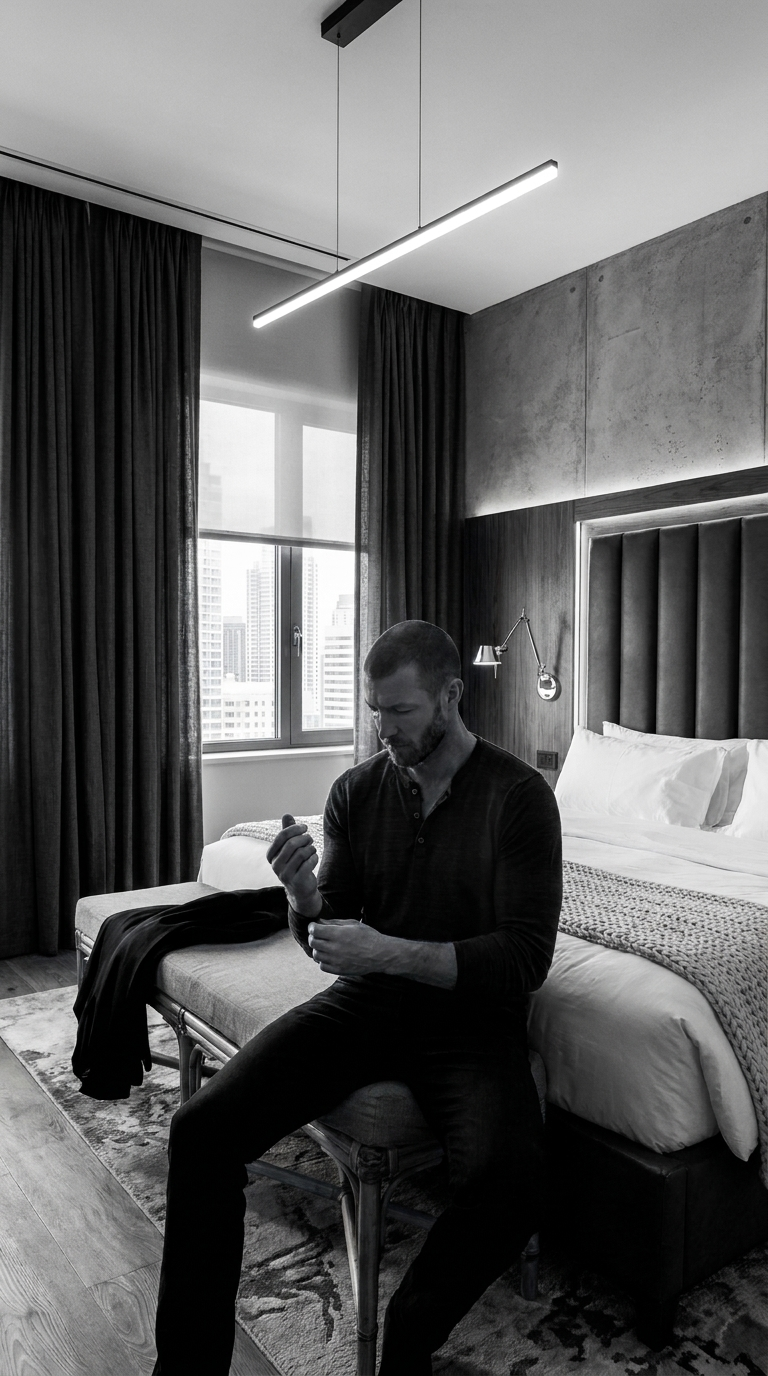
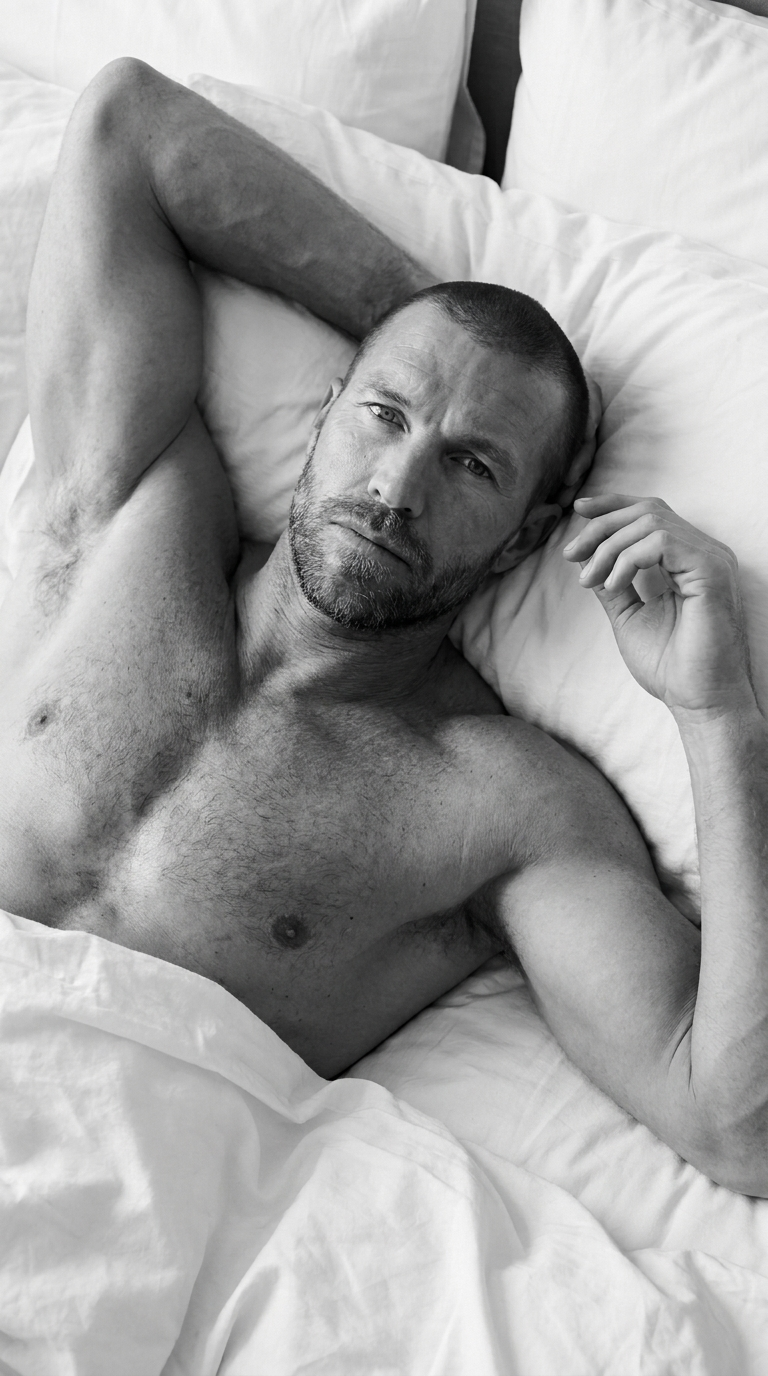
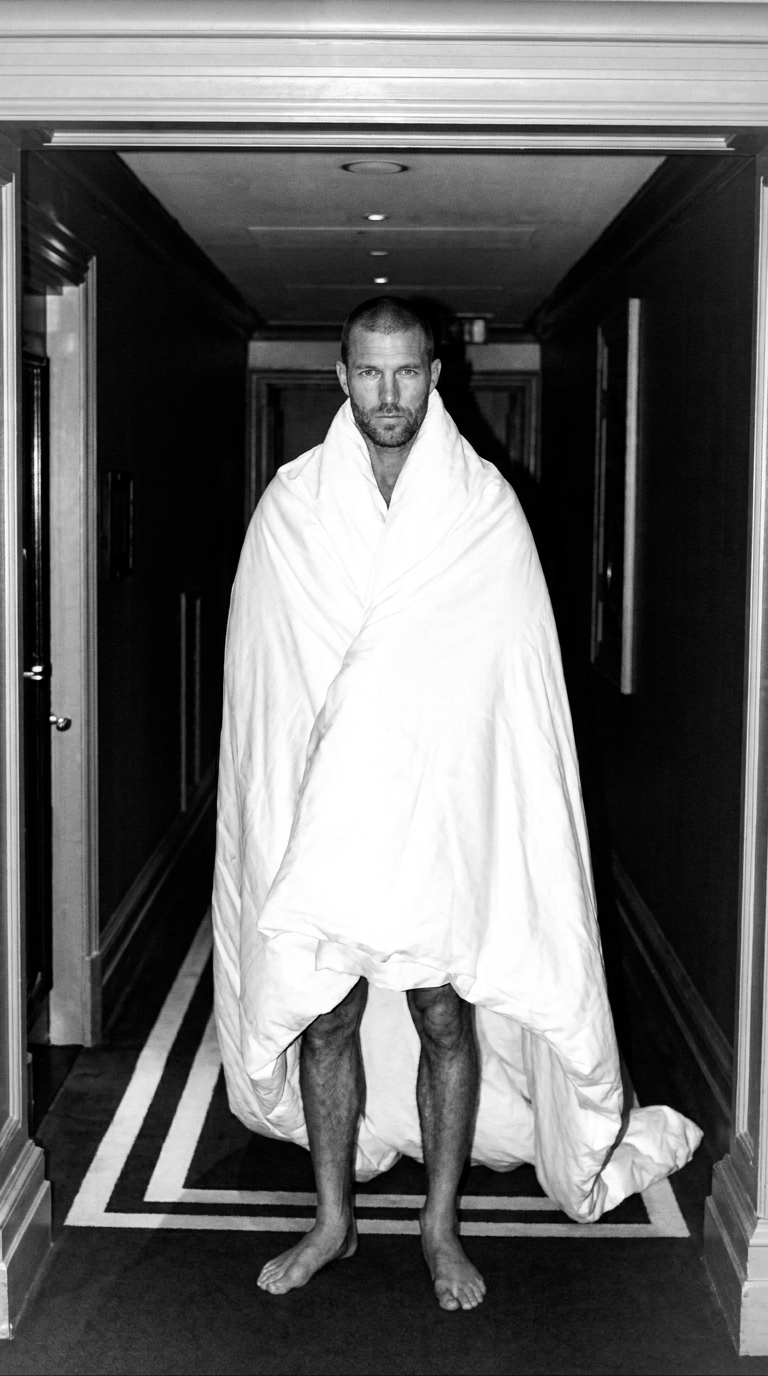
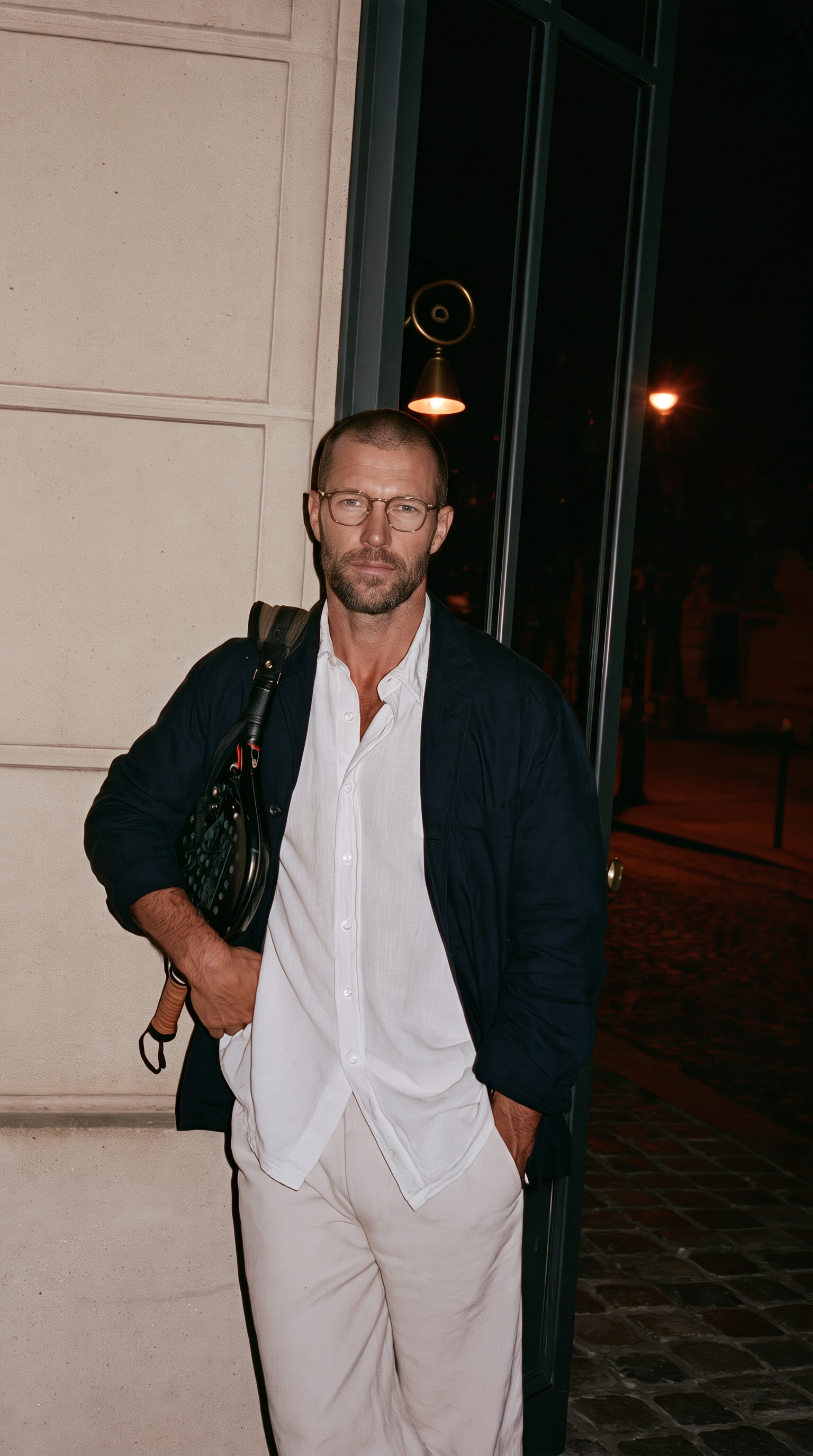
Meet Sam Hale
I've created an Instagram profile to document my ongoing experiment with character consistency, synthetic identity and AI generated video.I'm testing different environments, expressions, outfits and movements, learning where the technology succeeds and where it still struggles.
You can follow the experiment here: https://www.instagram.com/samhale.cph.ai/
One thing is certain. I'm going to keep experimenting.
And mum, please stop. He really doesn't exist. Let’s wait for a real one.
